

Many people search for foods that burn fat, hoping that a few smart additions to the plate will melt away stubborn weight. The reality is more nuanced: no single food burns fat on its own, but certain foods can support fat loss by keeping you full, preserving muscle, and making a calorie deficit easier to sustain. In this article we list the foods highlighted in the original post, then explain the science of fat loss, the role of protein and fibre, common myths, and practical meal ideas, including tips for traditional Indian and South Asian kitchens.
Seven Foods That Support Fat Loss


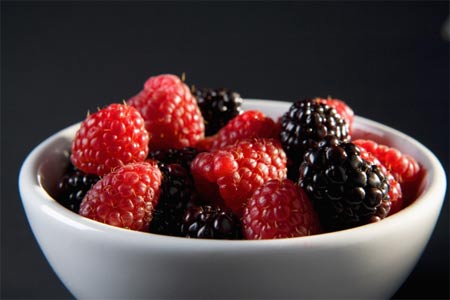

How Fat Loss Actually Works
Body fat is stored energy. To reduce it, the body needs to use more energy than it takes in over time, a state usually called a calorie deficit. When this happens, stored fat is broken down and used as fuel. Foods cannot directly burn fat in the way the phrase suggests, but they influence how much we eat, how hungry we feel, how much muscle we keep, and how much energy we spend digesting our meals.
The Thermic Effect of Food
Digesting food requires energy. Nutrition researchers call this the thermic effect of food. Protein has a noticeably higher thermic effect than carbohydrates or fats, which means a slightly larger share of its calories is used up during digestion. This is one reason why high-protein foods such as eggs and fish are often described as fat-burning, although the effect is modest and cannot replace an overall balanced diet.
Satiety and Appetite
Perhaps more important than the thermic effect is satiety, the feeling of fullness after eating. Foods rich in protein, fibre and water tend to keep people satisfied for longer, which can naturally reduce snacking and overeating. Highly processed foods, on the other hand, are often easy to overeat because they are energy-dense and less filling.
Nutrients That Make a Difference
- Protein: helps preserve muscle mass during weight loss and increases fullness. Good sources include eggs, fish, chicken, lentils, chickpeas, paneer, Greek yoghurt and tofu.
- Fibre: found in vegetables, fruits, whole grains, beans and seeds; it slows digestion and supports gut health.
- Healthy fats: nuts, seeds, olive oil and oily fish provide essential fatty acids, but they are calorie-dense, so portions matter.
- Water: staying hydrated helps distinguish thirst from hunger and supports overall health.
Common Myths About Fat-Burning Foods
Myth 1: Some foods have negative calories
It is often claimed that foods such as celery require more energy to digest than they provide. There is little scientific support for this idea. Low-calorie vegetables are excellent for weight management, but because they are filling and nutritious, not because they create a calorie debt.
Myth 2: Green tea or chilli alone will make you lean
Some studies suggest that compounds in green tea, coffee or chilli peppers may slightly increase energy expenditure. However, the effects reported are small, and they vary from person to person. These items can be part of a healthy diet but should not be relied on as a solution.
Myth 3: You can target belly fat with specific foods
Spot reduction is not supported by evidence. The body tends to lose fat from different areas according to genetics, age and hormones, and no food selectively removes fat from the stomach.
Building a Fat-Loss Friendly Plate
A simple approach recommended by many dietitians is to divide your plate visually:
- Fill about half the plate with vegetables or salad.
- Use about a quarter for a protein source such as dal, fish, eggs, chicken or paneer.
- Reserve the remaining quarter for whole-grain carbohydrates such as brown rice, millet roti, whole-wheat chapati or oats.
- Add a small amount of healthy fat, for example a teaspoon of oil in cooking or a few nuts.
Tips for Indian and South Asian Kitchens
The original article mentions the challenge of rich home food. Traditional cuisines across the subcontinent are actually full of healthy ingredients such as lentils, beans, vegetables, yoghurt and spices. The difficulty usually lies in cooking methods and portion sizes. A few adjustments can help:
- Use less ghee and butter, and measure oil rather than pouring freely.
- Choose roasted, steamed or tandoor-style dishes more often than deep-fried snacks.
- Fill parathas with vegetables or paneer and cook them with minimal fat, or swap some for plain chapatis.
- Make dal, chana and rajma a regular part of meals for protein and fibre.
- Replace sugary tea and sweets with unsweetened drinks and fresh fruit most days.
- Be mindful of second helpings, which are common at family meals and celebrations.
Beyond Food: Sleep, Stress and Activity
Diet is only one part of the picture. Regular physical activity, including both strength training and aerobic exercise, helps preserve muscle and improves fitness. Adequate sleep matters too: research has linked short sleep to increased appetite and cravings. Chronic stress can also affect eating habits. Sustainable progress usually comes from combining moderate changes across all these areas rather than following extreme diets.
FAQ
Which food burns the most fat?
No food burns fat by itself. High-protein and high-fibre foods support fat loss best because they are filling and help preserve muscle, but results depend on your overall eating pattern and activity.
Are eggs good for weight loss?
For most healthy people, eggs can be a useful part of a weight-loss diet because they are rich in protein and nutrients. People with specific medical conditions should follow the advice of their doctor regarding intake.
How fast can I safely lose fat?
Many health organisations suggest that gradual weight loss is more sustainable than rapid loss. Anyone with a medical condition, or planning a significant change in diet, should consult a doctor or registered dietitian first.
Conclusion
Foods such as eggs, fish, legumes, vegetables and whole grains do not literally burn fat, but they make fat loss easier by keeping you full, supporting muscle, and reducing the temptation to overeat. Combined with regular exercise, good sleep and sensible portions, these foods can help you reach a healthier body composition. Small, consistent changes in everyday meals usually work better than any miracle ingredient.
