

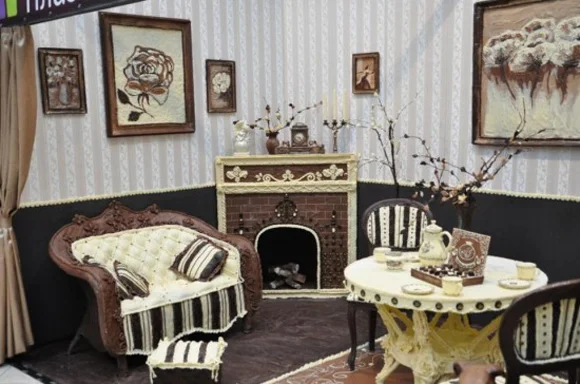
Chocolate is usually something we eat, but in the hands of skilled artists it becomes a sculpting material capable of producing furniture, flowers and entire rooms. This article looks at the story of a Russian artist who sculpted a room full of chocolate for a shopping mall celebration, and then goes further: it explains how this kind of edible art works, why some sculptors move from ice to cocoa, which varieties are used, and why brands and malls love these edible installations.
The Chocolate Room Story


Chocolate as an Artistic Medium
For centuries cocoa was mainly consumed as a drink, and only later did it become the solid bars and confections familiar today. Once confectioners learned to mould and temper it, the substance quickly became a favourite material for decorative work. Pastry chefs in grand hotels and royal kitchens created elaborate centrepieces for banquets, and today this kind of sculpture is a recognised discipline in culinary competitions and exhibitions around the world.
What makes the medium attractive to artists is its versatility. It can be poured into moulds, carved with knives, shaped by hand, painted with coloured cocoa butter, and joined with a melted layer that acts like glue. A single sculpture may combine all of these techniques, producing surfaces that range from glossy and smooth to rough and textured.
From Ice to Chocolate
The artist behind the edible room was originally an ice sculptor, and the transition is more natural than it might seem. Both materials are carved by subtracting material, both are sensitive to temperature, and both demand speed and precision. Ice, however, is cold to the touch, translucent and short-lived once it is moved into a warm space. Cocoa is warmer in feeling, opaque, rich in colour and pleasant in aroma, which helps explain why an artist trained on ice might find it a more rewarding material.
The Challenge of Temperature
The material begins to soften not far above normal room temperature and melts close to body temperature, which is precisely why it melts so pleasantly in the mouth. For a sculptor this is a constant challenge. Workshops are often kept cool, artists may wear gloves to avoid transferring heat from their hands, and large pieces are usually built in sections and assembled on site. Displays intended to last for days need careful control of temperature, humidity and direct light, since sunlight or hot lamps can deform fine details within hours.
Types of Chocolate Used in Sculpture
The room was made from a combination of dark, milk and white varieties. Each type behaves differently, and sculptors choose between them for colour, strength and workability.
- Dark chocolate: contains a high proportion of cocoa solids and little or no milk. It is relatively firm, has a deep brown colour and is often used for structural parts of a sculpture.
- Milk chocolate: includes milk solids, which give it a lighter colour and softer texture. It is slightly more delicate to work with but offers a warm tone that contrasts nicely with darker elements.
- White chocolate: made from cocoa butter, sugar and milk, but without the dark cocoa solids. It provides a pale base that can be tinted with food colourings, making it ideal for flowers and decorative details.
Why Tempering Matters
Tempering is the process of heating and cooling the melted mass in a controlled way so that the cocoa butter crystallises in a stable form. A properly tempered piece has a glossy finish, breaks with a clean snap and holds its shape well. Untempered material can look dull or streaky and may soften more easily. For sculptors, good tempering is the foundation of every piece, because it determines how well the work will stand up over time.
Tools of the Cocoa Sculptor
Such artists use a mix of kitchen and studio equipment. Common tools include:
- Marble slabs for cooling and tempering.
- Silicone and polycarbonate moulds for repeated shapes.
- Carving knives, spatulas and modelling tools similar to those used in clay work.
- Heat guns and small torches for smoothing surfaces and joining pieces.
- Airbrushes for spraying coloured cocoa butter or creating velvet-like textures.
Chocolate Art and Marketing
The installation was conceived by an advertising agency and unveiled at a shopping mall to mark an anniversary. This reflects a broader trend: edible art has become a popular tool for brands and venues that want to attract crowds and generate media attention. A life-size edible installation is unusual, photogenic and easy to share, which gives it value far beyond the cost of the ingredients.
Such projects also create a sense of occasion. Visitors come to see something temporary and surprising, and the idea that the artwork will eventually be eaten or shared adds to the excitement. Dividing the sweets among visitors at the end of the event, as happened in this case, turns a static exhibit into an interactive experience and leaves people with a memorable taste of the celebration.
Famous Forms of Edible Art
Rooms like this are only one example of large-scale edible art. Around the world, people build gingerbread houses and villages during winter holidays, sugar artists create delicate showpieces for pastry competitions, and some festivals feature sculptures made from butter, fruit or cheese. What these traditions share is a playful blend of craftsmanship and food culture, inviting audiences to admire something that is both beautiful and temporary.
Lessons for Aspiring Confectionery Artists
Anyone interested in this craft can start small. Learning to temper reliably, making simple moulded shapes and practising basic carving on small blocks are the usual first steps. Many culinary schools offer pastry and confectionery courses, and practice with modest projects helps a beginner understand how the material reacts to warmth, pressure and time before attempting anything as ambitious as a full room.
Why an Edible Room Captures Our Imagination
There is something childlike and joyful about the idea of a room where everything can be eaten. It echoes classic stories and fairy tales in which sweets fill entire worlds, and it challenges our expectations of what furniture and decoration should be. At the same time, it is a display of genuine skill: building a sofa, flowers and candle holders from a material that softens in a warm hand requires planning, patience and a deep understanding of the medium.
Installations like this also remind us that art does not need to be permanent to be meaningful. Like ice sculptures, sand castles and flower arrangements, cocoa artworks exist for a short time and are then gone, which encourages viewers to enjoy them in the moment.
FAQ
Does such a sculpture melt during an exhibition?
It can if conditions are not controlled. Organisers usually keep the venue cool, avoid direct sunlight and strong lamps, and limit how long the piece is displayed in order to protect its shape.
Are edible sculptures safe to eat?
When food-grade ingredients are used and hygiene is maintained, the pieces can be eaten, which is why some events share it with visitors at the end. However, pieces that have been handled heavily or displayed for long periods may be treated as decorative only.
What is the difference between white chocolate and other chocolate?
White chocolate contains cocoa butter but not the dark cocoa solids that give the other two types their brown colour and stronger cocoa flavour.
Conclusion
The sweet room created for a Russian shopping mall is a striking example of how a confection can move from the kitchen into the world of art and advertising. Behind such work lie techniques such as tempering, moulding and carving, a careful choice between dark, milk and white chocolate, and constant attention to temperature. Whether as a marketing idea or a work of craft, edible installations continue to delight audiences precisely because they are beautiful, surprising and short-lived.
